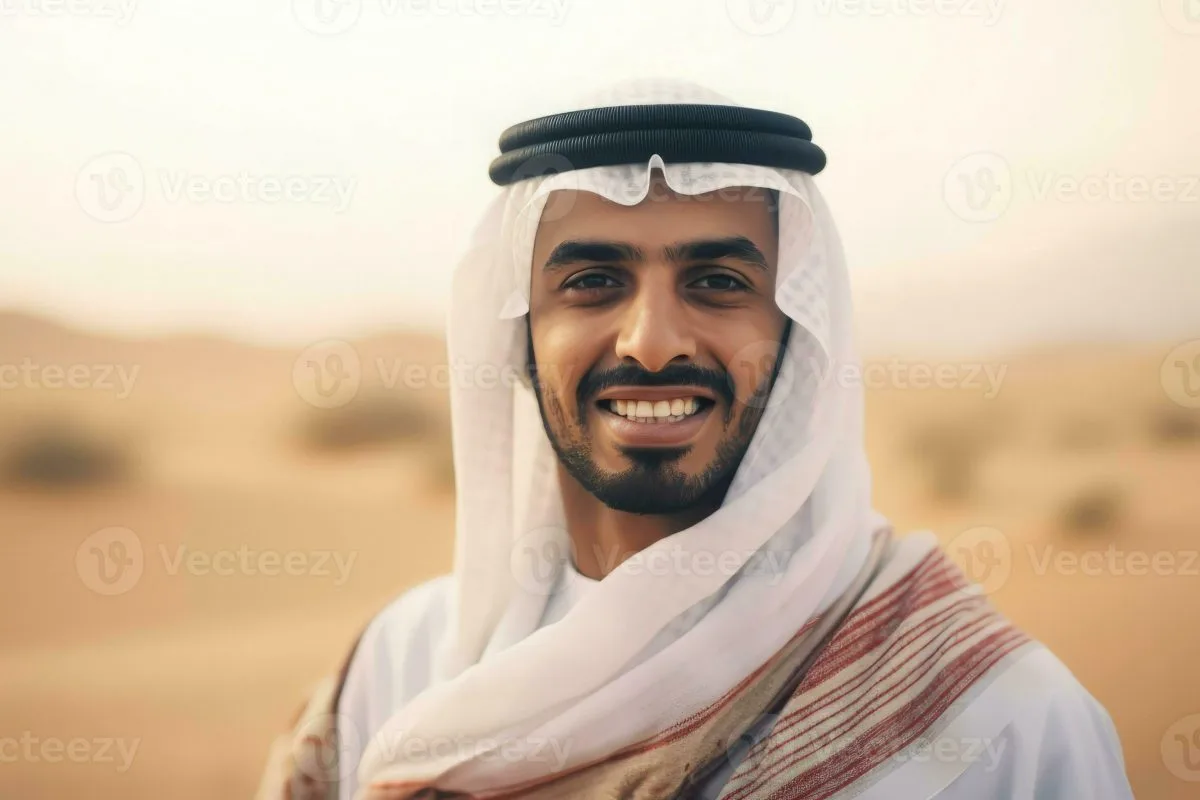

Planning an unforgettable journey into the vast Arabian desert (see also our guide on Morning vs. Evening vs. Overnight Safaris) requires a clear understanding of regional climate patterns. Situated on the northeastern edge of the Arabian Peninsula, Abu Dhabi features a hyper-arid desert climate characterized by two main seasons: a mild, pleasant winter and a hot summer. Because desert sand has a low specific heat capacity, land temperatures fluctuate dramatically between day and night, as well as across seasons.
This authoritative 2026 climate guide breaks down desert weather month-by-month, providing average day and night temperatures, humidity levels, seasonal safari activity modifications, and practical packing advice for visitors.
Microclimate Analysis: Al Khatim vs. Coastal Abu Dhabi
It is essential for travelers to distinguish between Abu Dhabi's coastal city weather and the inland desert climate of Al Khatim. While central Abu Dhabi city is moderated by Arabian Gulf marine breezes, Al Khatim lies sixty-five kilometers inland. Consequently, the desert experiences lower humidity levels, higher daytime peak temperatures in summer, and significantly cooler nighttime temperatures in winter.
Understanding this microclimate helps travelers choose the appropriate clothing layer for evening and overnight desert tours. Understanding sand heat dynamics is equally important. Quartz sand absorbs solar radiation quickly during peak daylight hours but radiates heat back into space rapidly after sunset. This rapid thermal loss creates significant diurnal temperature swings between day and night.
Month-by-Month Weather Data Reference Table
| Month | Avg High (°C / °F) | Avg Night (°C / °F) | Humidity | Safari Rating |
|---|---|---|---|---|
| January | 24°C / 75°F | 13°C / 55°F | 65% | ★★★★★ (Peak Season) |
| February | 26°C / 79°F | 14°C / 57°F | 62% | ★★★★★ (Peak Season) |
| March | 29°C / 84°F | 17°C / 63°F | 58% | ★★★★★ (Ideal) |
| April | 34°C / 93°F | 21°C / 70°F | 50% | ★★★★☆ (Shoulder) |
| May | 39°C / 102°F | 25°C / 77°F | 45% | ★★★☆☆ (Warm) |
| June | 42°C / 108°F | 27°C / 81°F | 48% | ★★☆☆☆ (Summer) |
| July | 45°C / 113°F | 30°C / 86°F | 52% | ★★☆☆☆ (Summer) |
| August | 46°C / 115°F | 31°C / 88°F | 55% | ★★☆☆☆ (Peak Summer) |
| September | 41°C / 106°F | 27°C / 81°F | 60% | ★★★☆☆ (Transition) |
| October | 36°C / 97°F | 23°C / 73°F | 60% | ★★★★☆ (Shoulder) |
| November | 31°C / 88°F | 18°C / 64°F | 62% | ★★★★★ (Peak Season) |
| December | 26°C / 79°F | 15°C / 59°F | 66% | ★★★★★ (Peak Season) |
Detailed Month-by-Month Weather Breakdown
January (Peak Winter Atmosphere)
January brings fresh, crisp weather across Abu Dhabi. Afternoon highs hover comfortably around 24°C (75°F), making it ideal for outdoor activities like sandboarding, camel rides, and dune bashing. Night temperatures in the desert dip to 13°C (55°F). Visitors attending evening or overnight safaris should wear jackets or warm hoodies during campfire sessions.
February (Ideal Outdoor Conditions)
February features virtually identical weather to January, with daily highs averaging 26°C (79°F). Clear skies, gentle desert winds, and pleasant evening temperatures make February one of the busiest months for tourism in the UAE. We recommend reserving safari bookings at least three days in advance.
March (Warm Spring Days)
March marks the beginning of spring. Temperatures rise moderately to 29°C (84°F), creating perfect conditions for beach resort lounging in the morning and sunset desert safaris in the afternoon. Night air remains pleasant at 17°C (63°F).
April (Shoulder Season Transition)
In April, daytime temperatures reach 34°C (93°F). Late afternoon desert breezes keep outdoor activities comfortable, while night temperatures average 21°C (70°F). April is an ideal month for travelers seeking smaller tour groups and good hotel value.
May (Early Summer Heat)
May brings warm summer conditions, with afternoon temperatures reaching 39°C (102°F). Safari operators adapt schedules by timing dune bashing strictly for late afternoon when solar intensity subsides. Desert vehicles run full air conditioning.
June (Summer Heat Management)
June sees afternoon highs of 42°C (108°F). However, because desert humidity in Al Khatim remains lower than coastal Abu Dhabi city, late evening temperatures at Bedouin camps feel manageable under shaded majlis tents with mist fans.
July & August (Peak Summer Adaptations)
July and August represent the peak of summer, with daytime highs reaching 45°C-46°C (113°F-115°F). Desert tour operators implement specialized summer protocols: air-conditioned indoor dining Majlis lounges, complimentary ice-cold hydration stations, and shortened outdoor sunset stops. Summer visitors benefit from discounted tour pricing.
September (Late Summer Cooling)
September transitions away from peak summer heat, with temperatures gradually receding to 41°C (106°F). Evening desert safaris become increasingly popular as night air cools down to 27°C (81°F).
October (Autumn Shoulder Season)
October brings pleasant autumn weather back to the UAE. Afternoon temperatures drop to 36°C (97°F), while nights cool to 23°C (73°F). October is widely recommended for travelers who want great weather without winter crowd volumes.
November & December (Prime Tourist Season)
November and December offer delightful winter weather, with daytime highs of 26°C-31°C (79°F-88°F) and cool desert nights (15°C-18°C). This is the primary season for open-air desert dining, stargazing, and overnight camping.
Diurnal Temperature Drop Phenomenon
One critical environmental factor that surprises first-time desert visitors is the diurnal temperature drop. Quartz sand grains possess low thermal retention capacity. As soon as the sun dips below the horizon, sand surface heat dissipates rapidly into the clear atmosphere. During winter months, a daytime temperature of 26°C can drop to 13°C within two hours after sunset. Always pack a jacket or shawl when attending an evening or overnight safari between November and February.
Seasonal Attire & Packing Matrix
| Season | Recommended Daytime Clothing | Recommended Night Gear |
|---|---|---|
| Winter (Nov - Feb) | Light cotton t-shirts, jeans, loose shorts, sneakers | Fleece jacket, warm hoodie, light scarf, closed shoes |
| Spring / Autumn (Mar-Apr, Oct) | Breathable linen shirts, summer dresses, sun hat | Light cardigan or shawl, comfortable sandals |
| Summer (May - Sep) | Ultra-light breathable fabrics, UV sunglasses, SPF 50+ | Light cotton shirts, sandals (AC lounges provided) |
Desert Wind Systems & Dust Prevention
Understanding regional wind patterns enhances your desert safari preparation. The primary wind system affecting the Arabian Gulf is the Shamal, a northwesterly wind that blows across the desert interior.
Safety & Comfort Guidance for Windy Days:
- Wear a Traditional Shemagh / Keffiyeh: Wrapping a lightweight cotton headscarf around your mouth and nose protects against blowing sand particles during windy dune stops.
- UV Goggles for Motorized Sports: Enclosed dust goggles are provided during quad biking and dune buggy tours to ensure full eye protection against windblown grit.
- Sealed Camera Pouches: Fine silica sand grains can penetrate camera zoom rings and smartphone charging ports. Use neoprene covers or zip-lock bags when not taking photos.
Frequently Asked Questions (FAQs)
What is the absolute best month overall for an Abu Dhabi desert safari?
November and January are widely considered the ideal months. You enjoy pleasant afternoon sunshine (24°C-28°C), crisp morning air, and crystal-clear night skies for stargazing.
Are desert safaris operational during Ramadan?
Yes! Safaris operate 365 days a year, including during Ramadan. Live dance performances and alcohol service are restricted out of respect for holy traditions, but dune bashing, camel riding, sandboarding, and BBQ dining operate normally.
Does it rain in the Abu Dhabi desert?
Rainfall in the desert is extremely rare, averaging less than 100mm per year, mostly occurring during short winter downpours between January and March.
Solar Ultraviolet Index & Hydration Protocols
During spring and summer months in the Arabian desert, solar ultraviolet (UV) radiation levels reach extreme indices (UV Index 11+). Protecting skin and maintaining electrolyte balance are critical safety measures for all outdoor desert excursions.
Recommended Hydration Strategies:
- Continuous Water Intake: Drink at least 500ml of fresh bottled mineral water every hour during outdoor activities, even if you do not feel actively thirsty. Low relative humidity accelerates sweat evaporation, making dehydration less obvious.
- Electrolyte Replacement: Consume isotonic drinks or coconut water following active quad biking or dune bashing sessions to replenish sodium and potassium levels lost through perspiration.
- Broad-Spectrum Sun Protection: Apply broad-spectrum SPF 50+ sunscreen to all exposed skin surfaces thirty minutes prior to entering the desert. Reapply every two hours during extended photo sessions.
Seasonal Photography Advice for Desert Travelers
The visual quality of desert terrain photography varies according to seasonal sun angles and atmospheric clarity:
- Winter Golden Hour (Nov - Feb): Low atmospheric haze and soft sunlight create dramatic warm orange tones along dune ridges. Frame shots during late afternoon (16:30 PM to 17:30 PM) for active terrain contrast.
- Spring Twilight Sky Colors (Mar - Apr): Clear spring evenings produce vivid magenta and violet twilight hues over eastern dune horizons immediately following sunset.
- Summer High-Contrast Shadows (May - Sep): Intense overhead summer solar light produces extreme shadow contrast along sharp barchan dune crests. Use polarizing filters to diminish sand glare and enhance sky color saturation.
Plan Your Safari Adventure Today
Regardless of the season, our experienced team ensures a comfortable, safe, and exciting desert safari. Browse our available packages today.


Comments (0)
Be the first to leave a comment on this article!
Leave a Reply